Winter and early spring challenges
The dry, cooler months can create condensation when warm indoor air meets cold surfaces. Odors from hidden moisture may drift into living spaces. In New Mexico, crews in every metro recommend a proactive approach: check basements, crawl spaces, and under-sink areas for dampness after storms or rapid temperature swings. Keep humidity levels stable and ensure proper venting in bathrooms and kitchens.
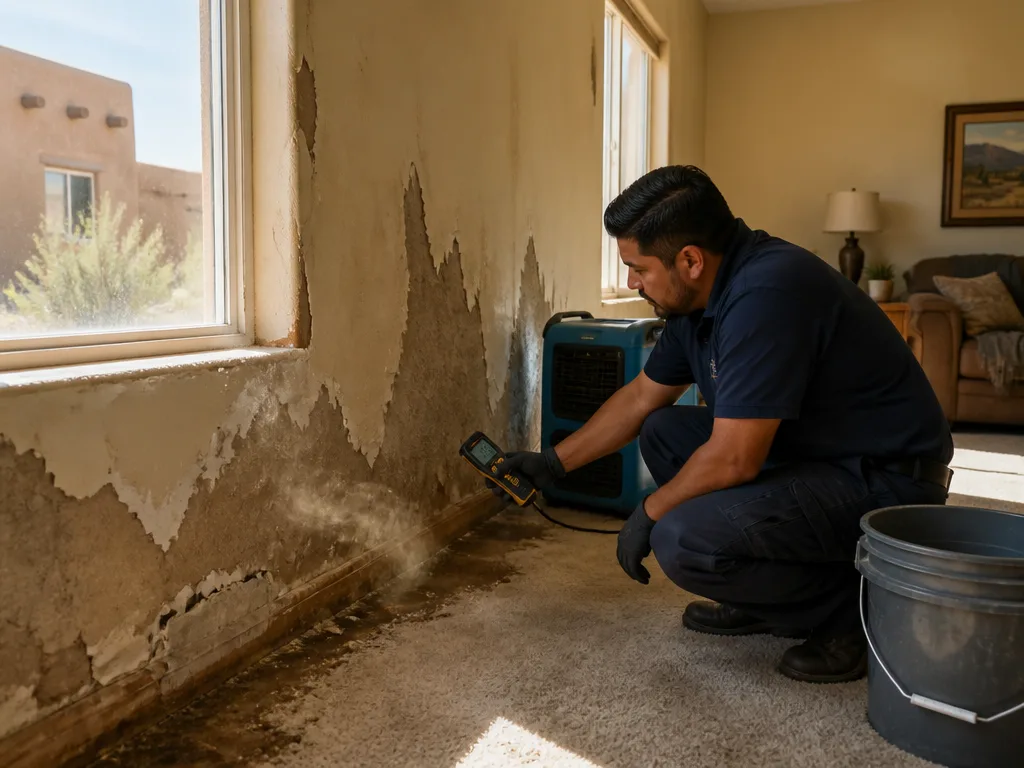
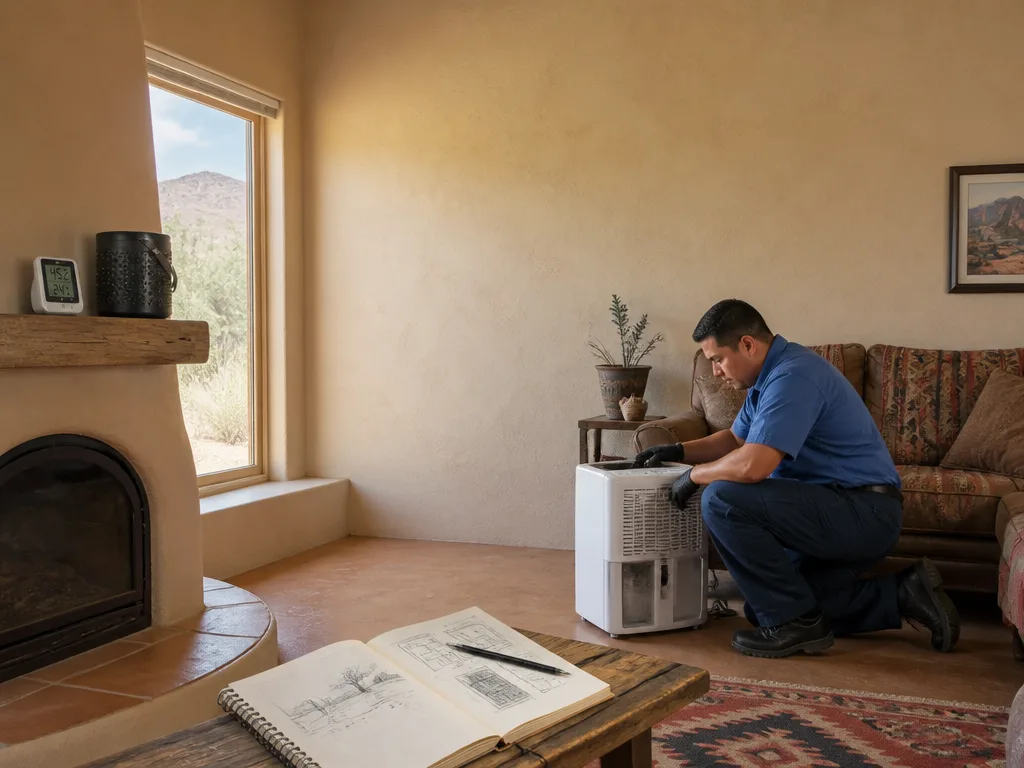
During the shoulder seasons, run a dehumidifier in damp rooms and inspect insulation for gaps. Small leaks can slip by unnoticed, but a restoration specialist can test moisture levels and plan a targeted drying strategy across affected zones in the home.
Summer heat and monsoon season
Summer brings humidity and occasional heavy rains. Odor issues can emerge from damp fabrics, stored items, or water intrusion. Our team recommends keeping storage areas dry and using moisture barriers where possible. If you smell musty air after a storm, it’s a cue to inspect crawl spaces and HVAC intakes for signs of moisture buildup.
In New Mexico, a statewide approach means looking at the entire house, not just the obvious rooms. A restoration specialist will map airflow and test for hidden moisture that could trigger odors later on. This is about staying ahead, not reacting after the problem grows.
Ongoing maintenance that supports odor control
Schedule periodic checks of humidity, especially in older homes with susceptible materials. Keep gutters clean and downspouts directing water away from the building envelope. If you’re remodeling, use vapor barriers and sealants that reduce the chance of moisture migrating into walls. Across New Mexico, our crews align this maintenance with the home’s design and climate realities to keep odors from taking hold.